Blog article
6 early recovery strategies after a knee replacement
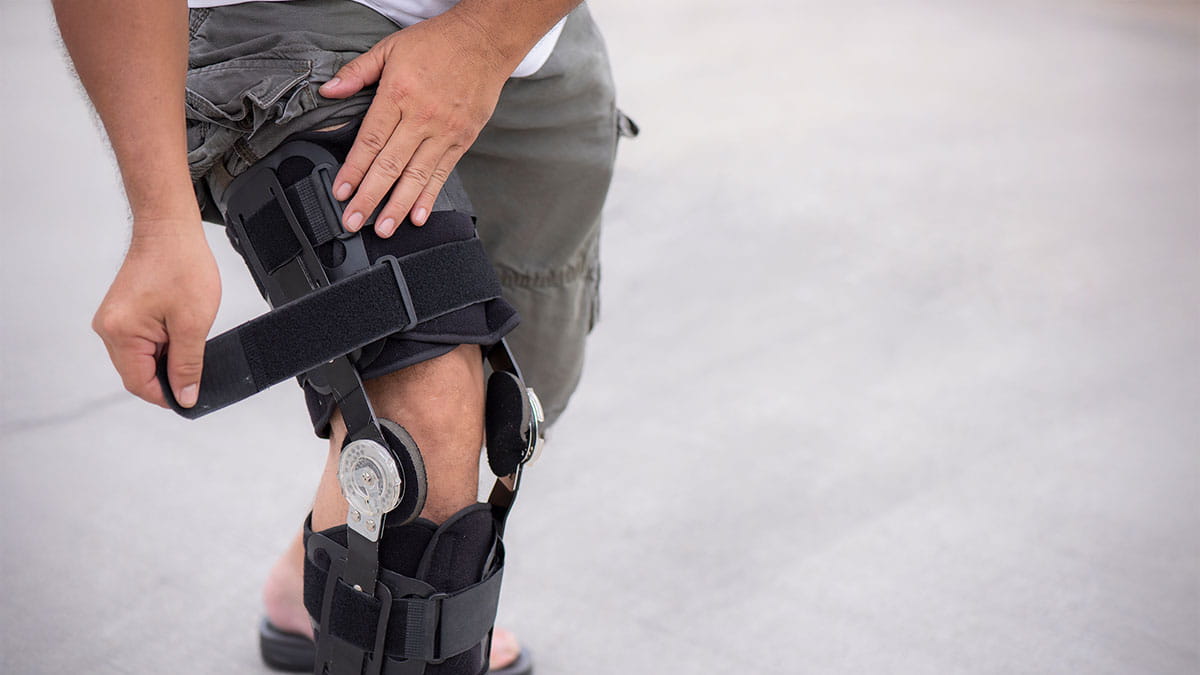
In this blog, we cover the early recovery phase and the strategies that can help you feel more comfortable and confident as you heal.
It has been developed with insights from Jakub Chudy, Managing Partner and Physiotherapist at HBF Physio Cockburn, and reflects his clinical experience supporting people through recovery.
Strategy 1: Get moving early
The sooner you start moving, in a safe and supported way, the better. After knee replacement surgery, people are usually encouraged to start standing and walking soon after the operation, often with support from a physiotherapist. Early movement can help reduce stiffness and swelling in the joint and supports circulation, which is important for recovery.
Early movement doesn’t mean doing lots. It means doing the right amount, at the right time, with the right support.
Strategy 2: Use your exercises to support circulation and recovery
Early exercises after a knee replacement aren’t about strength or fitness – they’re about circulation, movement and getting key muscles working again. Early post operative exercises are commonly prescribed to help improve circulation in the legs and feet, support knee movement, and begin restoring strength.
Following the exercises provided by your physiotherapist early in recovery can support longer term movement and strength outcomes.
Strategy 3: Manage swelling
Swelling is very common after knee replacement – but it can make movement more uncomfortable, so managing it is an important part of early recovery. Strategies such as elevation, ice and rest are commonly recommended to help manage swelling during recovery.
Strategy 4: Manage pain so you can do the essentials
Knee replacement surgery can be painful, especially in the first few weeks — and that early discomfort is a normal part of the healing process. You’ll usually be given pain relief after surgery, and pain medication may continue for a period while your knee is sore. Managing pain effectively can make it easier to move, walk and complete your early exercises.
Strategy 5: Use walking aids
Walking aids aren’t a step backwards – they’re a tool to help you move safely and build confidence while your strength returns. Many people use a walking frame, crutches or a cane in the early stages after knee replacement to support balance and safe walking. Walking aids are typically reduced over time as strength and confidence improve.
Strategy 6: Follow medical advice
Knee precautions and recovery advice can vary depending on your surgery, so it’s important to follow the guidance given by your surgeon or physiotherapist. Post operative advice commonly includes walking regularly, following prescribed exercises, managing swelling, and avoiding movements that may place excessive stress on the knee during early healing.
A quick reassurance if early recovery feels slow
Early recovery can feel slow – but that doesn’t mean you’re doing it wrong. This stage is meant to be steady, not rushed. Recovery after knee replacement varies from person to person, and rehabilitation may include physiotherapy and occupational therapy to support movement, strength and daily activities.
How can HBF help?
If you have eligible extras cover with HBF, you may be able to claim benefits for visits to a physiotherapist as part of your recovery after knee replacement.
Physiotherapy can support the early recovery phase by:
- Supporting safe early movement, including walking and basic daily activities
- Helping manage pain and swelling, so movement feels more comfortable
- Guiding early exercises, focused on circulation and confidence
- Monitoring progress, and adjusting support as recovery continues
A physiotherapist can help you build safe foundations in the early stages – supporting steady progress without rushing recovery.

This article contains general information only and does not take into account the health, personal situation or needs of any person. In conjunction with your GP or treating health care professional, please consider whether the information is suitable for you and your personal circumstances.