Blog article
6 early recovery strategies after lumbar decompression surgery
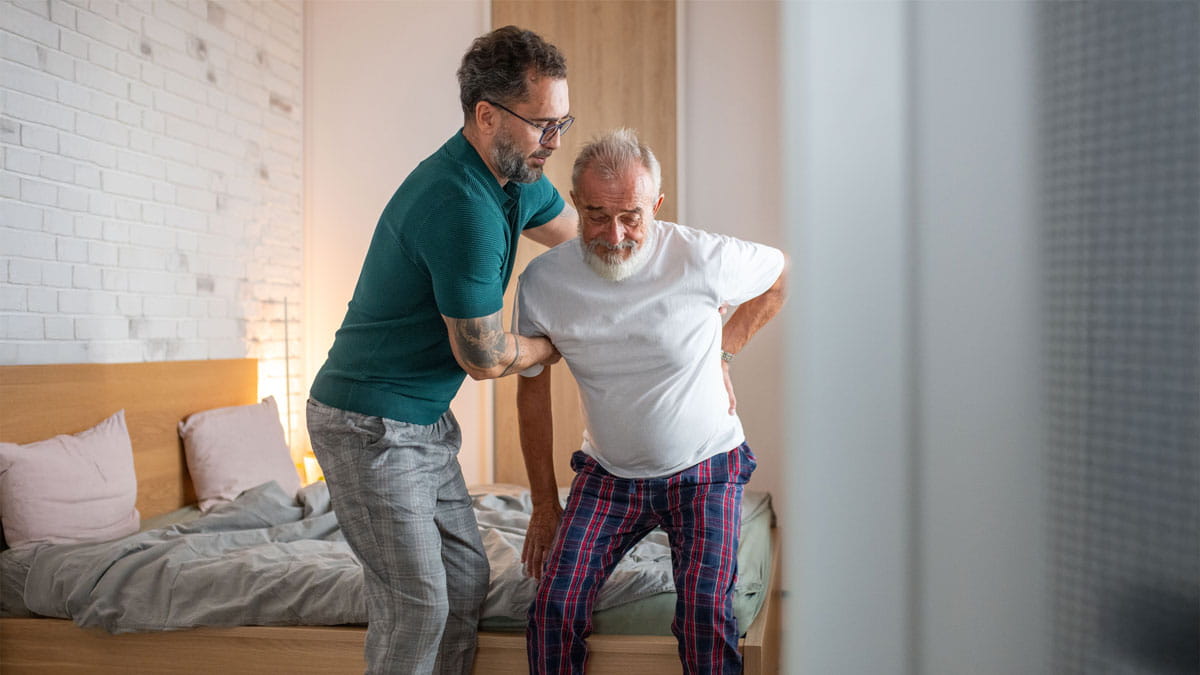
Early recovery after lumbar decompression surgery is about gradually increasing movement while protecting your back as the tissues heal.
In this blog, we cover early recovery strategies that can help support your spine as you heal. It has been developed with insights from Jakub Chudy, physiotherapist at HBF Physio Bull Creek, and reflects his clinical experience supporting people through recovery.
Remember: Following your surgeon’s and healthcare team’s post-operative advice is essential for a safe recovery. This is especially important after spinal surgery, as failing to follow recovery guidelines can lead to serious complications and may negatively affect your surgical outcome.
Strategy 1: Start moving early and build gradually
Getting up and moving is an important part of early recovery. You may be encouraged to:
- Start walking soon after surgery
- Increase your walking distance gradually
- Change positions regularly throughout the day
Walking and gentle movement can help maintain circulation, reduce stiffness and support recovery – as long as it’s done at a pace that feels manageable.
Strategy 2: Avoid heavy lifting and limit bending or twisting early on
Protecting your back in the early stages helps support healing. It’s best to avoid:
- Heavy lifting (for example, more than 5kg in each hand in the early weeks)
- Activities that involve twisting or bending through the spine
- Strenuous or high-impact activity
Strategy 3: Use posture and positioning to stay comfortable
How you sit, rest and move can make a difference in early recovery. It’s recommended to:
- Rest lying down rather than sitting if your back is sore
- Avoid slouched sitting positions
- Sit in a way that keeps your spine supported and comfortable
For tasks like getting in and out of bed, techniques such as rolling onto your side before sitting up can help reduce strain on your spine.
Strategy 4: Manage pain so you can keep moving
It’s normal to experience pain after surgery. You may notice:
- Mild to moderate back pain in the early weeks
- Gradual improvement over 6 to 8 weeks
- Further improvement over time
Pain relief can help you stay mobile and complete daily activities more comfortably. If your pain increases after doing more activity, it can help to scale things back temporarily and return to gentle movement before building up again.
Strategy 5: Keep activity and exercises gentle in the early stage
Early recovery focuses on gentle movement rather than intensive exercise. Your physio and/or specialist may encourage you to:
- Begin simple exercises early
- Keep your arms and legs moving
- Build activity levels gradually over time
More structured or intensive rehabilitation is often introduced once healing has progressed further.
Strategy 6: Know when to seek medical advice
It’s important to be aware of changes that may need medical review. Seek advice if you notice:
- New or worsening weakness, numbness or pain in your legs
- Problems controlling your bladder or bowel
- Redness, swelling or discharge from your wound
Urgent medical assessment may be needed if symptoms are sudden, worsening or accompanied by other changes such as fever.
A quick reassurance if early recovery feels slow
Recovery after lumbar decompression surgery can take time. While pain and walking tolerance will improve gradually over the first few months, some symptoms, such as numbness, may take longer to settle.
How can HBF help?
If you have eligible extras cover with HBF, you may be able to claim benefits for visits to a physiotherapist as part of your recovery after lumbar decompression surgery.
Physiotherapy can support early recovery by:
- Guiding safe progression of movement and activity
- Helping manage pain and movement confidence
- Supporting strength and mobility as recovery progresses
- Tailoring your rehabilitation program to your individual needs

This article contains general information only and does not take into account the health, personal situation or needs of any person. In conjunction with your GP or treating health care professional, please consider whether the information is suitable for you and your personal circumstances.