Blog article
A supportive list of resources if you’ve just been diagnosed with endometriosis
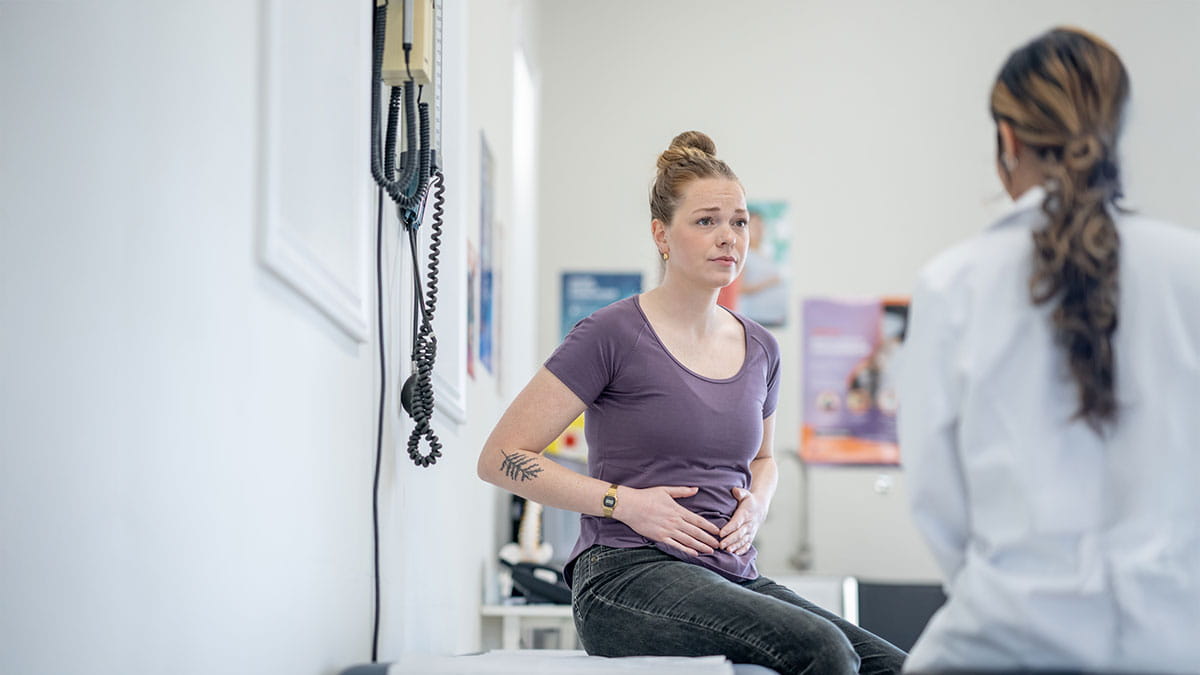
This is not an easy condition to define (or live with), it’s complex. But it’s important to start this article with what we know objectively, before moving onto what we know to be advice and support from trusted professionals and real-life advocates.
A definition
Pronounced: Endo-meet-rio-sis
Endometriosis is a chronic inflammatory disease.1 It happens when tissue similar to the lining of the uterus grows elsewhere in the body. The hormone estrogen, fuels this tissue to grow, which may cause scarring. In some cases, organs can stick together (known as adhesions).2
While it most often affects the reproductive organs, it is also commonly found around the bowel and bladder. In extreme cases, it has even been found in other areas of the body including the skin, joints, lungs & brain.1
A note on this definition…
Endometriosis is referred to both as a condition and a disease. Organisations like the World Health Organization classify endometriosis as a chronic inflammatory disease because it:
- involves abnormal tissue growth (endometrial-like tissue outside the uterus)
- causes ongoing inflammation
- can progress over time
- has systemic effects (pain, fatigue, organ involvement, fertility issues)
In the words of QANDA “Awareness leads to diagnosis. Education leads to better care.” Everyone’s experience with endometriosis is different. We hope this list of supportive resources provides comfort and validation.
- Start with Endometriosis Australia. We especially like their state-by-state breakdown of support groups.
- Connect with QANDA. Not only is this a place to feel seen and supported, but it is also an organisation advocating for those living with endo, contributing to the national action plan for the condition.
- For your reading list; How to Endo by Bridget Hustwaite is described by our team as eye-opening and deeply validating.
- “Laugh, cry, and shout with us as we talk all things endometriosis!” If this sounds like the kind of support you’re searching for, this podcast may be for you.
- If you have a support person by your side, whether that be a partner, a family member, or a friend, it may be helpful for them to educate themselves on endometriosis too. You could consider sending them here.
- While yoga is not a treatment for endo, it may be something worth exploring if you feel your nervous system is stuck in ‘threat mode’ from chronic pain. Yin yoga uses long holds, stillness, and slow breathing while also strongly activating the parasympathetic (rest and digest) nervous system.
- This breathing exercise is a good one to master for moments that feel big, and may help you respond to increased anxiety.
Reading this as a supportive partner and wondering what endometriosis actually feels like? Here’s how 3 HBF women with the disease describe it.
Endo feels like my organs are bruised from the inside, like I’ve been kicked in the ribs and stomach over and over.” Jemma
It feels like my body is running on empty - dizzy, shaky and exhausted, like I’ve been awake for days even when I’ve slept all night.” Alex
Endo feels like my insides are trying to claw their way out of my body while every nerve ending is on fire.” Emily
How can HBF help?
A solid support team can make all the difference with symptom management. HBF Extras cover can help with costs for:
- Dietitian visits: A major systematic review and meta analysis (2022) in Frontiers in Medicine analysed over 96,000 participants and found the odds of IBS were 3 times higher in women with endometriosis. A dietitian can work with you on a diet plan that may help manage IBS symptoms (if you have them) and look at how food is contributing to any inflammation.
- Pelvic floor physio: A qualified women’s physio can be a game-changing addition to your support network. Pelvic floor physios assess whether muscles are overactive, uncoordinated, or restricted, then work to gently restore normal movement and relaxation.3
- Remedial massage: Massage can be a supportive, symptom relief tool, rather than a core treatment in the way pelvic floor physiotherapy often is. A qualified therapist can help you with referred pain and muscle tightness.
- Psychology: Talking to a qualified psychologist about your experience with endometriosis can create space for better management.
This article contains general information only and does not take into account the health, personal situation or needs of any person. In conjunction with your GP or treating health care professional, please consider whether the information is suitable for you and your personal circumstances.