Blog article
Exercise guide after disc replacement surgery
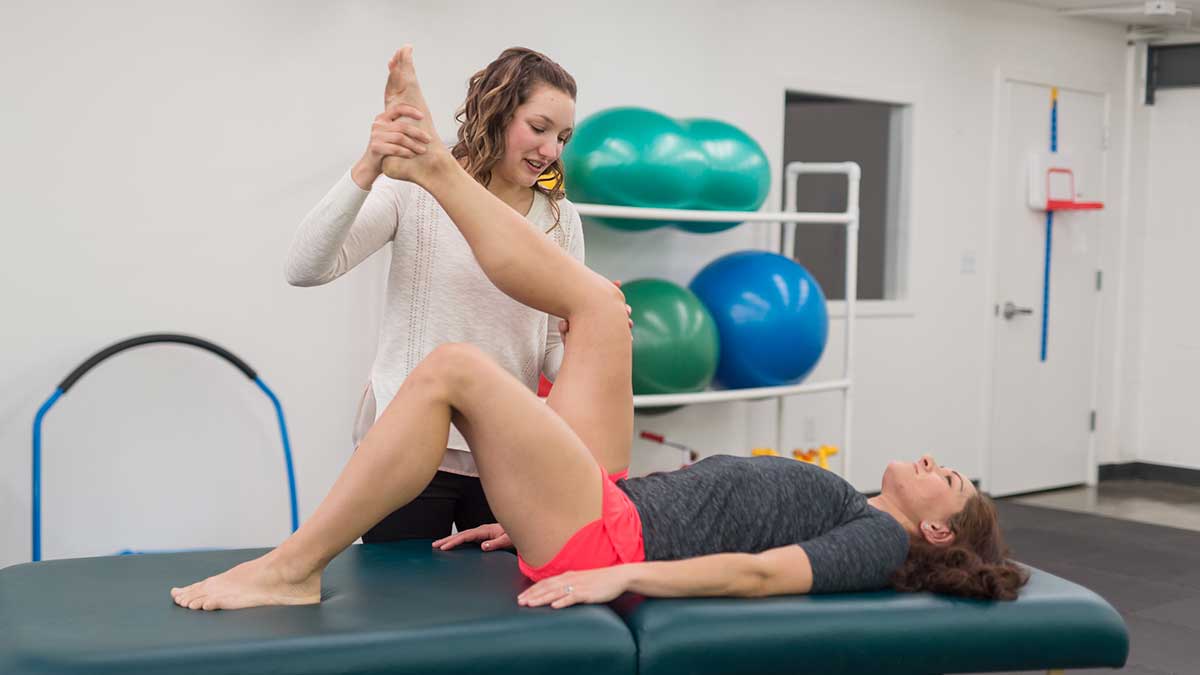
In this blog, we look at the types of exercises commonly used after disc replacement surgery, and how they’re progressed. It has been developed with insights from Jakub Chudy, physiotherapist at HBF Physio Bull Creek, and reflects his clinical experience supporting people through recovery.
Remember: Following your surgeon’s and healthcare team’s post-operative advice is essential for a safe recovery. This is especially important after spinal surgery, as failing to follow recovery guidelines can lead to serious complications and may negatively affect your surgical outcome.
Always follow your care team’s advice
There’s no one-size-fits-all exercise program after disc replacement surgery. Rehabilitation plans are typically guided by your surgeon or physiotherapist, and may vary depending on factors like the type of procedure performed, healing progress and overall health.
Rehab should be guided by both time and how your back is responding, with exercises introduced and progressed under clinical supervision.
Early-stage exercises: Supporting movement and circulation
- Walking programs: Starting with short, frequent walks and gradually building duration
- Transverse abdominis bracing: Gentle core activation exercises
- Multifidi activation exercises: Supporting stability in the spine
- Glute activation (glute sets): Helping re-engage supporting muscles
- Light stretching: Including hamstrings, hip flexors and calves
Mid-stage exercises: Building strength and movement control
As recovery progresses, exercises are gradually introduced to support strength, stability and control. Examples include:
- Core stability progressions: Maintaining a neutral spine during movement
- Marching or straight leg raises: Supporting controlled lower limb movement
- Bridging exercises: Strengthening hips and lower back
- Bird-dog (quadruped) exercises: Improving coordination and spinal control
- Side-lying exercises (such as clams or leg lifts): Supporting hip strength
At this stage, walking is often continued and gradually increased, as it plays an important role in maintaining mobility and overall fitness.
Later-stage exercises: Returning to functional movement
As healing continues, exercises may become more functional and activity-based. Examples include:
- Step-ups, squats or leg press (progressed gradually)
- Balance exercises (such as single-leg stance)
- Stationary cycling or low-impact cardio
- Aquatic therapy (once appropriate)
These exercises help support movement in everyday tasks while continuing to build strength and endurance.
Exercise progression: From gentle movement to everyday activity
Rehabilitation after disc replacement surgery usually follows a gradual progression. Across different programs, exercises typically move from gentle, supported movements to strength and control exercises, and finally to functional, everyday movement and activity.
Progression is guided by pain and comfort levels, movement and mobility and strength and endurance. This gradual approach helps support recovery while reducing the risk of doing too much too soon.
Exercise should feel manageable, not overwhelming
It’s normal to have some ups and downs as you increase your activity. You may find that:
- Doing too much can make your back feel sore
- Scaling activity back temporarily can help symptoms settle
- Gentle movement can support healing
Fatigue is also common during recovery and tends to improve as your activity levels increase over time.
How can HBF help?
If you have eligible extras cover with HBF, you may be able to claim benefits for visits to a physiotherapist as part of your recovery after disc replacement surgery.
Physiotherapy can support recovery by:
- Guiding safe exercise progression based on your recovery stage
- Supporting strength, mobility and confidence
- Monitoring how your spine responds to activity
- Adjusting your program as your recovery progresses

This article contains general information only and does not take into account the health, personal situation or needs of any person. In conjunction with your GP or treating health care professional, please consider whether the information is suitable for you and your personal circumstances.