Blog article
Meniscus surgery recovery timeline
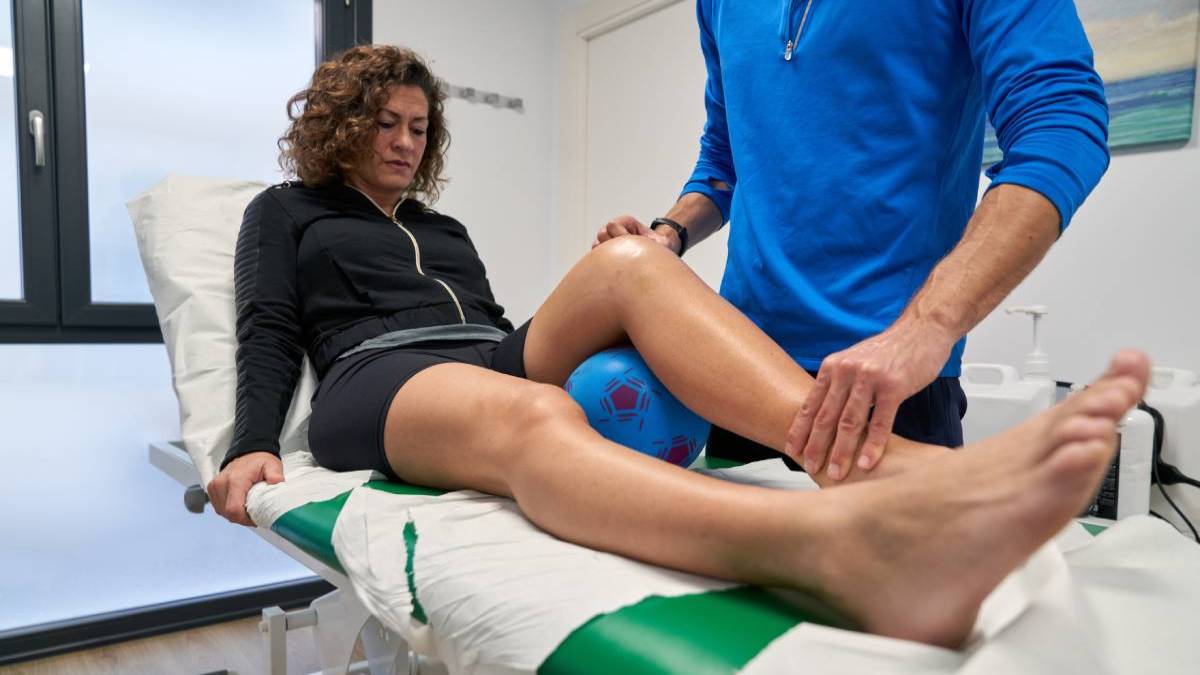
This recovery timeline gives a general guide to what often happens at different stages, to help set expectations as you recover.
It has been developed with insights from Jakub Chudy, physiotherapist at HBF Physio Bull Creek, and reflects his clinical experience supporting people through recovery.
The first few days: Rest, swelling and early movement
Recovery usually begins straight after surgery, and it’s normal to feel tired, sore and swollen in the first few days. Swelling around the knee and some numbness around the incision sites are also common early on.
During this stage, recovery focuses on:
- Managing swelling (for example, with ice and elevation)
- Protecting the knee
- Beginning gentle movement, as guided by your care team
Some guidance suggests people may begin simple movement, including walking, very early after surgery, depending on comfort and medical advice.
Week 1: Protecting the knee and reintroducing movement
In the first week, recovery is typically focused on protecting the surgical site while gradually reintroducing movement.
Depending on the type of procedure, you may:
- Use crutches with limited weight bearing
- Wear a brace or knee immobiliser
- Follow movement restrictions (such as limiting how far the knee bends)
At this stage, the focus is on protecting the repair and supporting early recovery – not pushing activity levels too quickly.
Weeks 2–6: Building movement and early strength
As the early healing phase settles, recovery often shifts toward gradually restoring movement and beginning basic strengthening work.
Rehabilitation during this stage may include:
- Continuing muscle activation (such as quadriceps exercises)
- Introducing gentle range-of-motion work
- Beginning low-impact activity like stationary cycling (focusing on movement, not intensity)
- Adding simple strengthening and balance exercises as appropriate
This stage is all about continuing to protect the repair while gradually progressing movement and strength in a controlled way.
Weeks 6–12: Increasing strength and functional activity
Later in recovery, as healing continues, exercises are often progressed to support more functional movement and strength.
Examples of what may be introduced or progressed during this stage include:
- Supported squat patterns within a controlled range
- Step-based movements (such as step-ups)
- Increased walking tolerance
- Progressing exercise intensity gradually
Walking will become more central to your recovery, with strength and movement continue to build over time.
3 months and beyond: Ongoing recovery and return to activity
Recovery doesn’t stop at a specific week - improvements can continue for several months.
The timing of returning to higher-level activity (like sport) can vary depending on the procedure:
- After a partial meniscectomy, some people may return to sports in around 4 to 6 weeks
- After a meniscus repair, it may take 3 to 6 months before returning to sport
These differences reflect how the knee heals and how much protection the repair requires. Your physio or specialist may recommend avoiding high-load or twisting movements (such as pivoting, deep squatting or impact activities) for several months after a meniscus repair.
Why recovery timelines can vary
No two recoveries look exactly the same – and that’s completely normal! Recovery after meniscus surgery can be influenced by factors like:
- The type of tear and surgical procedure
- How well the knee heals
- How consistently rehabilitation is followed
- Overall health and activity levels
It’s important to remember that rehabilitation is often guided by both time and how the knee is responding – not just a fixed schedule.
A quick reassurance if your recovery feels slow
Early recovery can feel like a lot of effort for small improvements – especially in the first few weeks. Swelling, stiffness and ups and downs in how the knee feels are common during recovery. Most people gradually improve over time as strength and movement build.
How can HBF help?
If you have eligible extras cover with HBF, you may be able to claim benefits for visits to a physiotherapist as part of your recovery after meniscus surgery.
Physiotherapy can support recovery by:
- Guiding progression through rehab stages
- Monitoring swelling, movement and strength
- Helping adjust exercises as your activity levels increase
- Supporting confidence as you return to everyday movement

This article contains general information only and does not take into account the health, personal situation or needs of any person. In conjunction with your GP or treating health care professional, please consider whether the information is suitable for you and your personal circumstances.