Blog article
7 natural therapies that could support your wellbeing
Following an Australian Government review, the following seven natural therapies can once again be covered by private health insurers.
HBF is pleased to be reintroducing benefits for all seven of these services across a range of eligible extras products, giving members more ways to support their health and wellbeing. To claim benefits, services must be provided by an HBF-recognised provider and eligibility will depend on your level of cover.
Have you ever wondered whether yoga could help you stretch out after a long day, or what actually happens when you visit a naturopath? In this blog, we'll take a closer look at each therapy, including what it involves, who it may suit and what the research says.
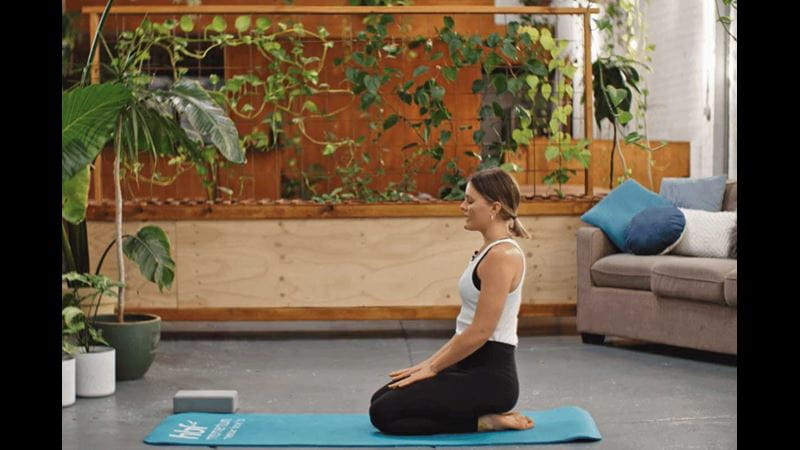
1. Yoga
What is yoga? Yoga is an exercise and wellbeing practice that combines movement, breathing, mindfulness and meditation. Different styles can include everything from gentle movements to stronger poses, so a yoga class can look very different depending on the type you choose.1,2
Why do people try yoga? People may try yoga to improve flexibility, strength and balance, or to bring more mindfulness and movement into their routine. Because yoga also uses focused breathing and meditation, it may support relaxation, mental clarity and concentration.1,2
Could yoga be right for me? If your body feels stiff after a long day, you’re finding it hard to switch off or you simply want to move more, yoga could be worth exploring. Yoga can be adapted for different ages and fitness levels, with styles ranging from gentle to more physically challenging. 1,2
2. Pilates
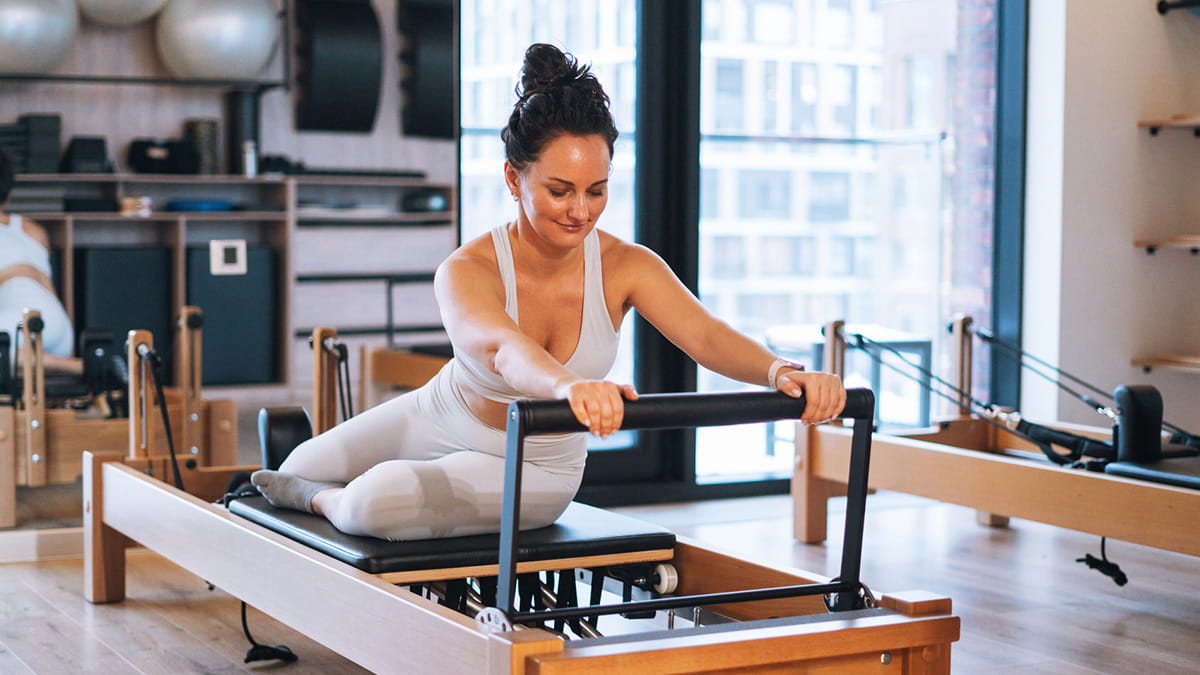
What is Pilates? Pilates is a form of exercise that uses slow, controlled movements, focused breathing and abdominal control. It can be practised on a mat using your own body weight or with specialised equipment, like a reformer, that creates resistance.2,3
Why do people try Pilates? People may try Pilates to improve their flexibility, posture, muscle strength, coordination and balance. It can also support body awareness, stress management and relaxation, including releasing tension through the shoulders, neck and upper back.3
Could Pilates be right for me? Whether you’re a beginner or a lifelong gym-goer, Pilates can be adapted to suit different fitness and mobility levels. It could be worth trying if you want to feel stronger, improve your posture or add more low-impact movement to your routine.2,3
3. Tai Chi
What is Tai Chi? Tai Chi is a meditative martial art that has been practised in China for centuries. It uses a series of gentle, flowing movements designed to strengthen and relax the body and mind, with different styles sharing features such as mindfulness, body alignment and flexibility.4
Why do people try Tai Chi? People may try Tai Chi to improve their balance, flexibility, lower-body strength and general fitness. Its combination of gentle movement and mindfulness may also support wellbeing and sleep.4
Could Tai Chi be right for me? If you’re looking for a gentle way to stay active, improve your balance or feel steadier on your feet, Tai Chi could be worth exploring. Different forms have been developed for different needs, including shorter routines for older adults.4
4. Shiatsu
What is Shiatsu? Shiatsu is a form of therapeutic bodywork that uses touch and pressure techniques. It takes a holistic approach, which means it considers physical and broader wellbeing rather than focusing only on one part of the body.5
Why do people try Shiatsu? People may explore Shiatsu when looking for a hands-on therapy to support their health and wellbeing. Research into Shiatsu has looked at areas including headaches, lower back pain, anxiety, stress, pain, sleep quality and health-related quality of life.5
Could Shiatsu be right for me? If you prefer a hands-on therapy, Shiatsu may appeal to you. It may be of interest if you’re looking for complementary support for concerns such as stress, sleep or pain, although the available evidence varies and Shiatsu shouldn’t replace medical care.5
5. Naturopathy
What is naturopathy? Naturopathy takes a whole-person approach to wellbeing, with a focus on areas such as diet, water, sunlight, exercise and stress management. Depending on a person’s needs, a naturopath may offer nutritional guidance, herbal medicine, lifestyle advice or other complementary therapies.6
Why do people try naturopathy? People may visit a naturopath when they want to explore how their diet and everyday lifestyle could be affecting their wellbeing. Education and self-care are important parts of naturopathy, with practitioners aiming to help people better understand and look after their health.6,7
Could naturopathy be right for me? If you want to take a closer look at areas such as your diet, movement and stress management but aren’t sure where to begin, naturopathy may be worth exploring. It may appeal to people who want personalised guidance and a more active role in decisions about their wellbeing.6,7
6. Western Herbal Medicine
What is Western Herbal Medicine? Western Herbal Medicine uses plants and plant materials to create preparations intended to support health and wellbeing. The plants traditionally used in this practice have come from areas including Europe, North America and Asia.8
Why do people try Western Herbal Medicine? People may explore Western Herbal Medicine when they’re interested in a plant-based approach to supporting their health and wellbeing. The practice draws on a long history of using plants as part of different traditional healing systems.8,9
Could Western Herbal Medicine be right for me? If you're interested in a plant-based approach to supporting your health and wellbeing, Western Herbal Medicine may be worth exploring. Many people seek advice from a practitioner when looking for personalised support for areas such as stress, sleep, digestion or overall wellbeing.8
7. Alexander Technique
What is the Alexander Technique? The Alexander Technique isn’t an exercise program. It is a form of re-education that helps you become more aware of how you sit, stand, walk and move, with a focus on using an appropriate amount of muscular effort and developing more balanced movement habits.10
Why do people try the Alexander Technique? People may try the Alexander Technique to become more aware of posture and movement habits that could be creating unnecessary tension. The approach is also used to support posture and balance, sporting performance, back-pain management, stress management, confidence and self-esteem.10
Could the Alexander Technique be right for me? If you spend long periods sitting, often notice yourself slouching or feel tension building during everyday movements, the Alexander Technique may help you recognise those habits and explore easier ways of moving.10
Ready to try something new?
Whether you're looking for a gentle way to move more, support your mental wellbeing or take a more holistic approach to your health, there could be a natural therapy that's right for you.
To claim benefits, services must be provided by an HBF-recognised provider. If you're unsure whether your practitioner is recognised by HBF, please check with them directly before booking an appointment.
1Yoga Australia: What is Yoga?
2Healthdirect: Health benefits of yoga and Pilates
3Better Health Channel: Pilates - health benefits
4Official Publication of The College of Family Physicians of Canada: Health benefits of tai chi
5Shiatsu Therapy Association of Australia: Research
6Better Health Channel: Naturopathy
7Complementary Therapies in Clinical Practice: Empowerment in naturopathy: A qualitative analysis of practitioner perspectives
8Australian Natural Therapists Association: What is Western Herbal Medicine and how does it work?
9rontiers in Pharmacology: Current state of research on the clinical benefits of herbal medicines for non-life-threatening ailments
10Better Health Channel: Alexander technique
This article contains general information only and does not take into account the health, personal situation or needs of any person. In conjunction with your GP or treating health care professional, please consider whether the information is suitable for you and your personal circumstances.