Blog article
Osteoporosis prevention: Why bone health matters long before menopause
What is osteoporosis?
Osteoporosis is a condition where bones become less dense, lose minerals such as calcium, and become more fragile, increasing the risk of fractures.2 Many of us think of osteoporosis as something that happens later in life, but the truth is, bone health is something we're building and maintaining across decades, and osteoporosis can develop silently over many years.
Osteopenia vs osteoporosis
Before osteoporosis develops, many women go through a stage called osteopenia, where bone density is lower than normal but not yet in the osteoporosis range. The challenge is that osteopenia usually doesn't cause any symptoms, which is why bone health is often described as a 'silent' issue. Many women don't realise their bones are weakening until a scan reveals it or a fracture occurs. So, rather than rely on symptoms, it’s important to take bone health into your capable hands, read on for preventive tips and expert advice on women’s bone health.
Bone health by the numbers3
- 1 in 2 women over 60 will experience an osteoporosis-related fracture.
- About 50% of people who sustain one osteoporosis-related fracture will experience another.
- 6.2 million Australians aged 50 and over were estimated to have osteoporosis or osteopenia in 2023.
- The number of osteoporosis and osteopenia-related fractures is projected to grow over the next decade.
Why are women more likely to develop osteoporosis?
Women are more likely to develop osteoporosis because they generally have lower bone density than men and experience a rapid decline in oestrogen during menopause. This hormone helps protect bone strength, so when levels fall, bone loss can happen more quickly. That's why supporting bone health through exercise, nutrition and healthy lifestyle habits is important long before menopause arrives.
Tips for maintaining strong and healthy bones
Your bones are living tissue
Time for some good news, and this one’s a healthy fact to get in the group chat. Did you know that throughout life, our bones are constantly being broken down and rebuilt? While some risk factors can't be changed, habits such as staying active, building muscle strength and eating a balanced diet can help support bone health at every age.
Think of your bones like a bank account. Throughout life you're making deposits and withdrawals, and the habits you build today can help support your bone health in the years ahead.
Four everyday ways women can support their bone health
1. Make strength training part of your routine
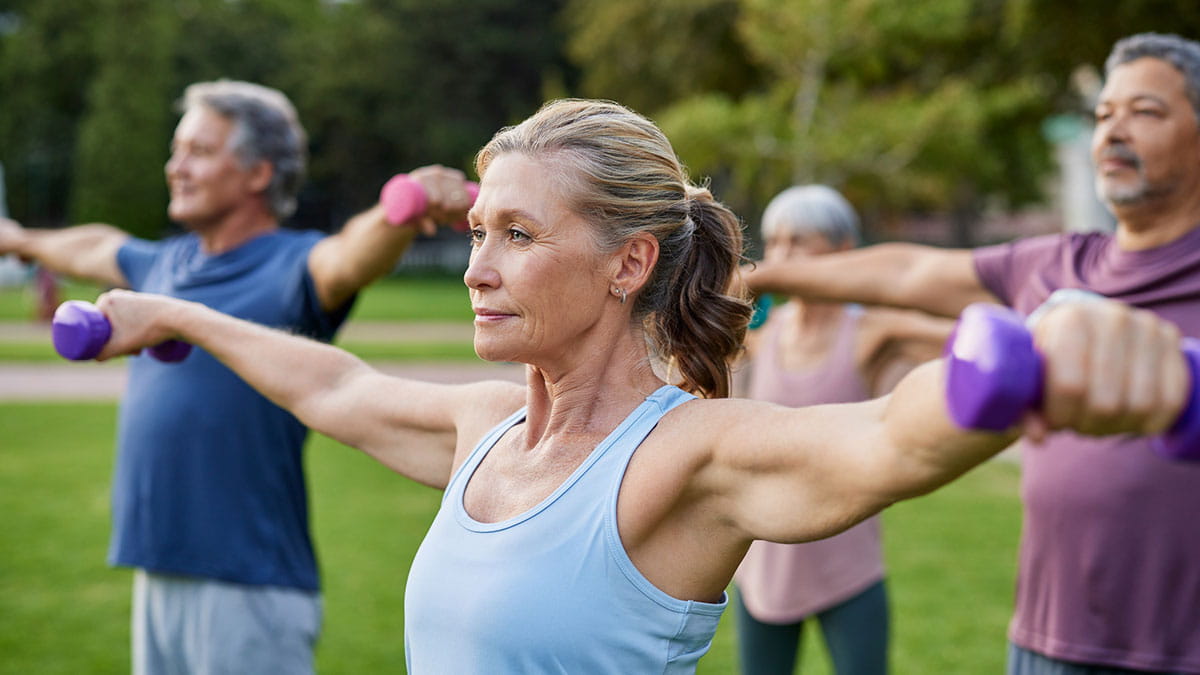
Just like muscles adapt when they're challenged, bones respond to load. When you perform resistance exercises such as lifting weights, using resistance bands, or doing bodyweight exercises, the stress placed on the skeleton signals the body to maintain or build bone strength. Healthy Bones Australia notes that resistance training is one of the key exercise types recommended to support bone health and bone density.
The best tip for starting strength training? Start with consistency, not intensity.
- 2 sessions per week
- 20-30 minutes at a time
- Simple exercises such as squats, step-ups, lunges, wall push-ups, or resistance band exercises
"Exercise is essential in the management of osteoporosis but remains underutilised. The optimal care of people with low bone mass, osteoporosis and/or increased risk of falling can and should include targeted exercise to help prevent osteoporotic fracture."
— Healthy Bones Australia
2. Prioritise bone-friendly nutrition
Calcium remains a challenge for many Australian women, with more than three-quarters failing to meet their daily calcium requirements, according to the latest ABS nutrition data. When it comes to nourishing your bones, women need to prioritise:
- Calcium
- Protein
- Vitamin D
- Whole foods
Fortunately, there are some simple ways to add calcium-rich foods to meals you already eat. Think yoghurt on breakfast, a slice of cheese in a sandwich, chickpeas in a salad, or tinned salmon on toast. It’s all about small additions throughout the day.
Remember: Calcium and strength training work best as a team. Calcium provides the building blocks, while resistance exercise gives bones a reason to stay strong.
3. Keep moving throughout life
In case you’re slightly startled by strength training, remember that movement of any kind is beneficial for bone health. Some examples of movement to feel good about include:
- Walking
- Stair climbing
- Dancing
- Hiking
- Team sports
4 ways to stay fit and healthy using your private health insurance
4. Understand your personal risk
It’s always a good idea to seek knowledge to feel health savvy on your journey through womanhood. Understanding your family history and speaking with your GP about risk factors could be your first step toward a plan.
How an Exercise Physiologist (EP) can help
Many women know they should exercise for their bones but aren't sure what type of exercise is most effective or safe for their individual situation. That's where an Accredited Exercise Physiologist can make a real difference.
An EP can:
- Review bone density scan results (such as a DEXA scan)
- Assess strength, balance and mobility
- Identify personal risk factors
- Develop a tailored program that progressively loads the skeleton in a safe way
- Help build confidence with weight training techniques
- Adjust exercise if osteoporosis, osteopenia, previous fractures or other health conditions are present
Healthy Bones Australia recommends that people diagnosed with osteoporosis initially undertake exercise under the guidance of a physiotherapist or exercise physiologist to ensure safety and effectiveness.
What is an Exercise Physiologist?
While some risk factors for osteoporosis can't be changed, many of the everyday habits that support overall health, such as staying active, building strength and eating a balanced diet, can also help support healthy bones.
This article contains general information only and does not take into account the health, personal situation or needs of any person. In conjunction with your GP or treating health care professional, please consider whether the information is suitable for you and your personal circumstances.