Blog article
Is your mouthguard still protecting you? What every parent and athlete should know
Why mouthguards matter
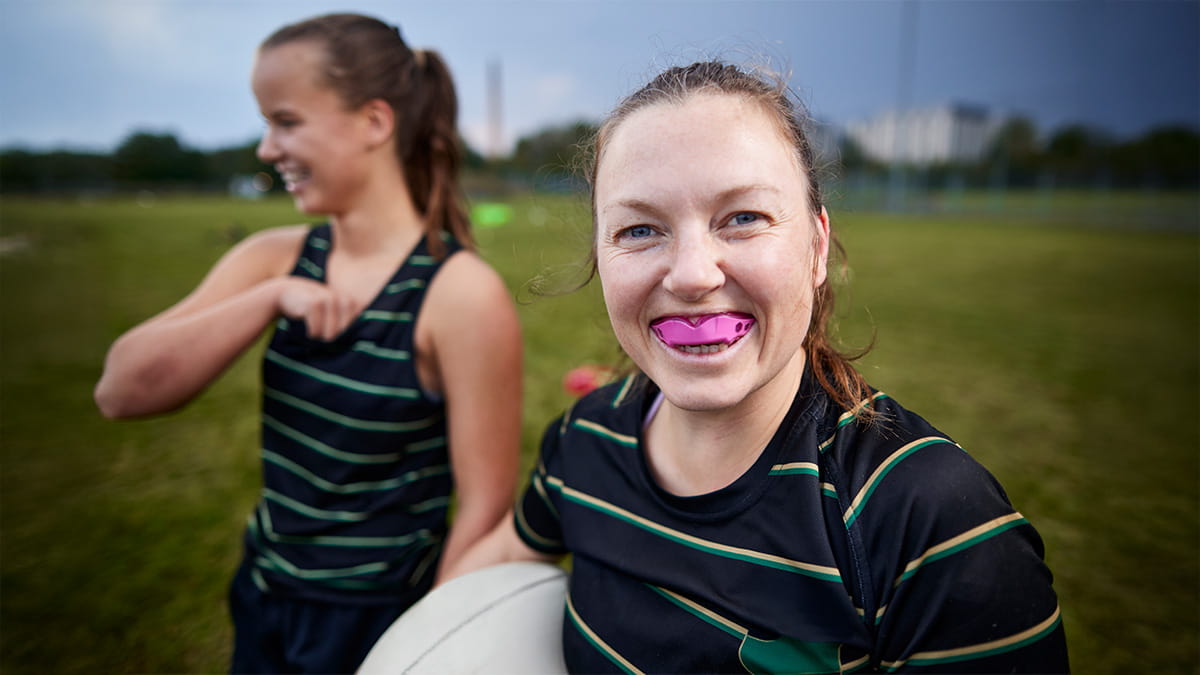
In Australia, sports are played by 3 million children (under 15) and 11 million adults1, each year. Many of these participants play sports where collisions, falls or accidental impacts can occur, increasing the importance of appropriate protective equipment such as mouthguards.
A custom-made mouthguard is designed specifically for your teeth and gums, giving you the best fit, comfort, and protection. Recommended by dentists and athletes, it helps absorb impacts to the face and mouth, lowering the risk of broken teeth, cuts to the lips and gums, and other serious dental injuries that may happen during sport.
8 signs it's time to replace your mouthguard
For adults, a custom-fitted mouthguard may last several years if properly maintained, but regular checks are still important and knowing the signs you might need an upgrade are important.
1. It no longer fits snugly
This seems obvious but it’s important to recognise whether you are biting down on your mouthguard. A mouthguard should stay in place comfortably without needing to be constantly bitten down on.
If it feels loose, falls out easily or moves around when you talk, it may no longer be providing adequate protection. Mouthguards can stretch and warp over time so keep on top of your fit.
Even small changes in fit can reduce the mouthguard's ability to absorb impact effectively.
2. Your child has lost or gained teeth
Just like their curious minds, children's mouths develop and change quickly too. If baby teeth have fallen out, new adult teeth have erupted or orthodontic treatment has altered the position of teeth, an old mouthguard may no longer fit correctly.
Kids mouthguards: custom-made or boil-and-bite?3. There are visible signs of wear and tear
Make sure you’re clocking:
- Cracks
- Tears
- Holes
- Thin spots
- Chewed edges
These can all reduce the mouthguard's ability to absorb impact. According to the 2026 Sports Mouthguard Guidelines, a mouthguard should be thick enough to absorb impacts while fitting securely over the teeth.
4. It feels uncomfortable
We want you to be able to concentrate on the game, not the guard! Your trusty mouthguard shouldn't cause pain, rubbing or irritation so if it does, book in with your dentist.
5. It has become distorted
Exposure to heat, such as being left in a hot car or direct sunlight, can cause some mouthguards to warp and even small changes in shape can affect protection.
6. There are hygiene concerns
If your mouthguard has persistent stains, odours or signs of mould despite regular cleaning, it's time to replace it, nobody wants a smelly mouthguard.
7. It's several seasons old
Even if it appears fine, a mouthguard that's been used regularly for multiple seasons may have experienced enough wear to compromise its effectiveness.
If you've had braces fitted or removed, or significant dental treatment such as crowns or veneers, your mouthguard should also be checked to ensure it still fits properly.
8. After a heavy knock, get it checked
Even if your mouthguard looks undamaged, a heavy impact can affect how well it protects your teeth. If you've taken a significant blow to the face or mouth, bring your mouthguard to your dentist to make sure it's still providing the protection you need. HBF Dental recommend checking mouthguards annually, particularly for growing children and active athletes.
Top tips to make your mouthguard last longer
- Rinse it before and after use
- Clean it regularly with mild soap, cool water and a soft toothbrush.
- Allow it to dry before storing it in a ventilated container
- Keep it away from heat
- Bring it to dental check-ups so your dentist can assess its condition atleast annually
- Keep it away from petroleum products, paints, adhesives, harsh cleaning chemicals, and similar substances.
Video: Why is good dental health so important? A dentist explains
Tooth be told…
A mouthguard is one of the easiest ways to help protect your smile during sport, but only if it's still in good condition. If it's loose, damaged, uncomfortable or no longer fits properly, it may not be providing the protection you need while performing.
For children whose teeth are changing and athletes who train regularly, a quick yearly check could help ensure a mouthguard is still guarding as it should.

1 Australian Government - About sport in Australia
2 Sports Medicine Australia - Dental Injuries Fact Sheet
*Eligible members can claim one fully covered scale and clean per calendar year when provided by a Member Plus dental provider. Benefit is payable subject to annual limit. Percentage benefits apply only when the provider charges in accordance with the Member Plus schedule fee. If the provider charges above the Member Plus schedule fee, you will have a larger out of pocket cost. Member Plus dental arrangements available in WA, NSW, VIC, QLD, and ACT only.
This article contains general information only and does not take into account the health, personal situation or needs of any person. In conjunction with your GP or treating health care professional, please consider whether the information is suitable for you and your personal circumstances.