Blog article
A marathon-running physio explains: Why cross training matters

Scott from HBF Physio sees a lot of this, and as a marathon runner himself is passionate about the opportunity to discuss cross training and its ability to balance muscle groups. If you’re lacing up HBF Run for a Reason this year, for either the Specsavers 12km or the Brooks Half Marathon this one’s for you!
Meet Scott
Scott has been a physiotherapist with HBF Physio since 2013. He primarily works in musculoskeletal injury management at the HBF Physio Perth CBD clinic. Scott has extensive experience treating runners, triathletes, and endurance sport athletes, especially in a city environment. Scott is a big fan of cross training.
Types of cross training for runners
Here’s what Scott recommends when working on training plans with runners. Running the Specsavers 12km or the Brooks Half ? Don’t forget you can head to the HBF Physio Training Hub for more tips and training plans from experienced HBF Physios.
-
Strength training (focus on this):
Runners should aim for two to three strength sessions per week, mainly focusing on leg strength. Recommended exercises include squatting movements, hip hinging, calf exercises, and plyometric activities (jumping and landing).Strength training helps with injury prevention, especially by improving hip, hamstring, and trunk strength to reduce load on other areas.
- Low-impact cardio:
Look at incorporating low-impact cardio exercises like swimming, cycling, or using a cross-trainer to substitute one of the running sessions for recovery and reducing leg strain. - Flexibility & mobility:
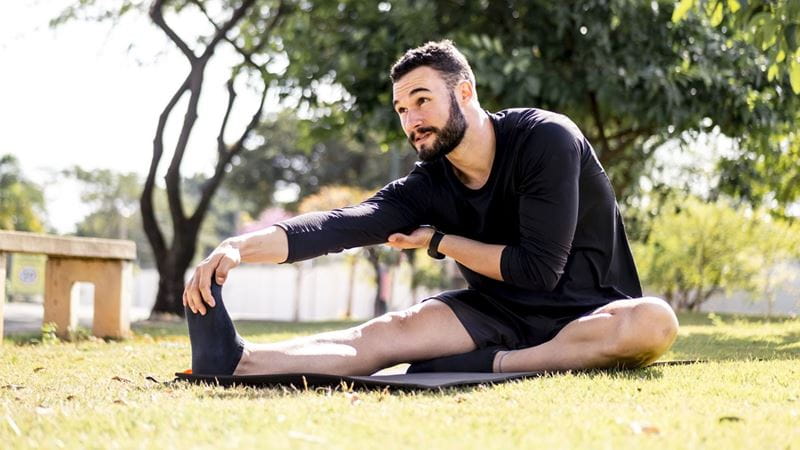
Adding flexibility and mobility exercises like yoga, Pilates, or specific stretching routines can improve overall body movement and prevent injuries.
Using interval training in cross-training sessions to mimic the intensity of running workouts while giving the legs a break from impact is also a great way to train for the Brooks Half Marathon.
Scott’s training tip
A physio can help tailor stretches to your body and any prior injuries or concerns, before you’re dealing with pain (and possibly treating it incorrectly). Let’s say you’re experiencing with sudden shin pain. Before seeing a physio, you may focus on calf strengthening, but the real issue here can be hip weakness, which puts extra load on the lower leg. A physio can offer advice and support so that instead of just working on calf strength, you can start focusing on strengthening your hips to address the root cause and prevent further injury.
How to integrate cross training into your training plan
Scott’s suggested weekly structure:
- 3-5 runs (3 would be more the people who want to get it done, 5 is more for those that have a performance goal)
- 1–2 cross-training sessions
- 1 rest/recovery day
Scott’s training tip
It’s all about balance and gradual progression. Doing too much too soon or increasing intensity or volume too quickly, can lead to injury. Most training should be at an easy intensity, with only a small portion being very hard, to avoid overloading and to ensure smarter, not harder, training.
Common mistakes to avoid when cross training
- Overloading with too many new activities. Scott sees a lot of runners with pain caused by doing too much too soon.
- Pushing for high intensity over enjoyment. Find activities you enjoy – cross-training shouldn’t replace running but compliment it.
- Neglecting a running-specific condition. Know your body and get to know a Physio too.
- Skipping recovery days or skipping sleep. People sometimes drop their sleep hours when training which may increase risk of injury.
Scott's suggestions for training for the Brooks Half Marathon course
- Prepare for strong headwinds along the river section by training in various windy conditions, as the course may expose runners to challenging winds without a return tailwind.
- Include hill training in your preparation, since the course, while mostly flat, has some hills when coming onto the freeway and exiting the tunnel that can catch runners off guard if they've only trained on flat terrain.
- Be ready for warmer conditions in the tunnel section, as it can get unexpectedly warm and crowded, which may cause discomfort or claustrophobia; practice maintaining relaxed running form in such environments.
How a physio can help with your cross training plan
Physios can help optimise your cross training plan by completing a thorough assessment of your:
- Strength
- Flexibility/mobility
- Motor control – this involves functional assessments looking at how your body moves and how your muscles work together to control the movement of your joints particularly when loading those specific areas.
From this assessment, your physio will determine a list of possible impairments and a sustainable management plan to address these factors.
Physios also play a role in modifying your training as you get closer to the start line, helping prevent injury and optimise performance.
This article contains general information only and does not take into account the health, personal situation or needs of any person. In conjunction with your GP or treating health care professional, please consider whether the information is suitable for you and your personal circumstances.