Blog article
How do men stay healthy? 6 simple habits that make a real difference

These are small changes that can benefit your overall health and wellbeing, it all starts with you.
1. Move your body regularly (and moderately)
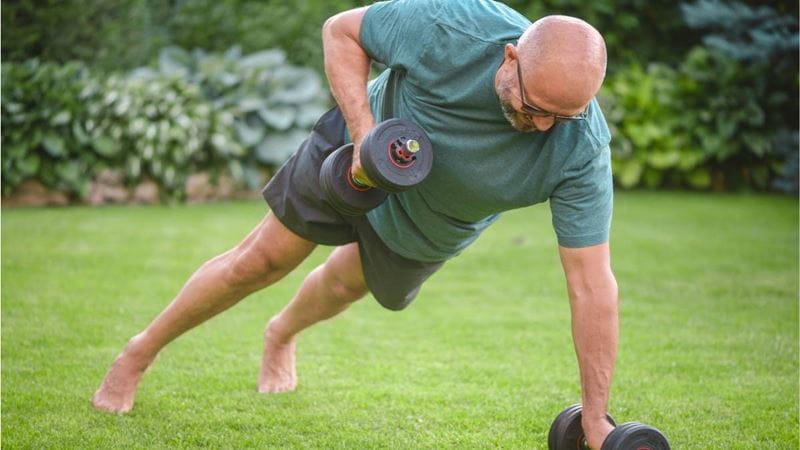
Exercise may not always be enticing, but the benefits for your body and mental health are worth breaking a sweat for, and with just 30-60 minutes of moderate exercise most days aligning with guidelines and contributing to (possible) better sleep, mood, and energy levels it’s something you may even eventually look forward to.
What counts as ‘moderate’?
- Brisk walking
- Jogging or cycling
- Swimming
- Gym workouts at a steady pace
- Sports (e.g. soccer, basketball)
Time poor? 3 short bursts per day = similar benefits to one longer session.
Not sure where to start? Maybe an exercise physiologist could help
2. Eat well (and support your gut)
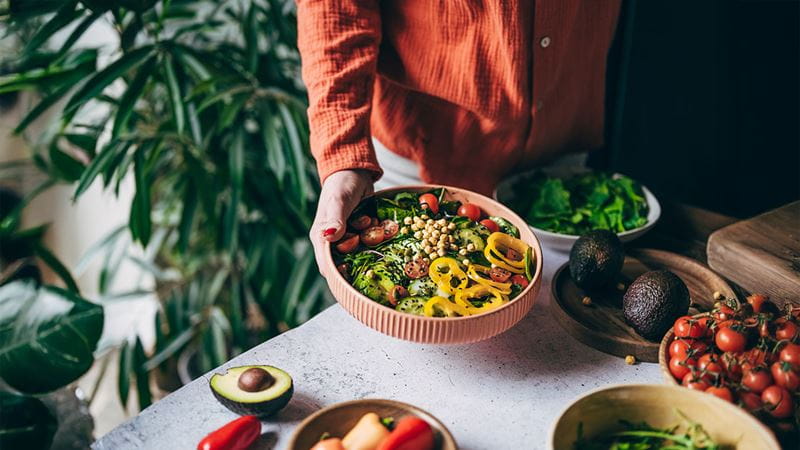
What you eat plays a big role in how you feel day to day, and your long-term health. A balanced, nutritious diet can help shift that sluggish feeling as well as reduce your risk of heart disease, type 2 diabetes and some cancers, while also supporting your energy, mood and gut health.
You don’t have to be strict, think small: add an extra serve of veggies to meals, swap white bread for wholegrain, or include fruit as a daily snack (try a smoothie!). Over time, these small habits add up.
Simple ways to eat well
- Fill your plate with whole foods like vegetables, fruit, wholegrains, lean meats, fish, eggs, legumes and nuts
- Boost your fibre intake (think wholegrains, beans, veggies) to support gut health and digestion
- Include healthy fats such as avocados, nuts, seeds and olive oil
- Cut back on highly processed foods high in added sugars, salt and saturated fats
- Drink more water and limit sugary drinks and excess alcohol
Looking after your gut is part of eating well too. A healthy gut microbiome has been linked to everything from your immune system to mental wellbeing, so eating a variety of fibre-rich foods can help keep things in balance.
Upping protein while you train? Don’t forget carbs and fibre
3. Stay connected (mateship is marvellous for your health)
Make time for friendship, check in on your mates, and enjoy the mental health benefits that come with social connectedness.
When it comes to building and keeping your networks healthy, you can:
- ask a mate to exercise with you
- try out some of your friend’s favourite activities with them
- pick up a new hobby
- sign up for a local or work-based run club or sporting team
- check out Act, Belong, Commit’s local activity finder
It’s also important to check in on your male mates. Although efforts are being made to reduce the stigma associated with seeking help and to promote mental wellbeing among men, Dr Andy says men are far less likely to seek help with physical health concerns - and that this is also true of mental health.
“Part of the issue relates to the way most men think about their health, tending to want to self-manage rather than reach out and ask for help. Broaching the subject of health with a male loved one as part of a non-judgmental and supportive conversation may make it easier for them to seek advice from a health professional. As a friend or family member, set the tone yourself by engaging in open discussions about personal challenges and emotions when you have them", says Dr Andy
For those that don’t feel comfortable talking to a friend or family member, your GP can be a great first step to finding support.
4. Keep on top of health checks
This starts with finding a GP you gel with. According to research, Australian men not only see their GP less often than women, but when they do, it is for shorter consultations1, and typically when a condition or illness is advanced.2
Sound familiar? Maintaining a trusting, long-term relationship with a GP is the best way to ensure you receive consistent, quality healthcare throughout your life.
Look for a GP who:
- you are comfortable being completely open and honest with
- has an interest in any areas of particular concern to you
- meets your language or cultural preferences
- is located nearby and has convenient opening hours
Cancer checks save lives
This starts with knowing your health history, check in with your parents and siblings and get the full picture so you know if there are preventative checks to keep on top of.
While rare, testicular cancer is the most common cancer in males aged between 15 – 456, and is also highly treatable if caught early.
Performing a monthly self-check7 is a simple way to ensure you will notice any changes quickly.
- perform after showering or bathing, in front of the mirror
- check one testicle first, then the other
- gently roll one testicle using the fingers and thumbs of both hands
- feel along the underside of the scrotum to find the epididymis (this feels like tightly curled tubes)
- if you notice any changes, lumps, bumps or swelling, or one or both testes are tender or painful, see your doctor.
With the incidence rate of prostate cancer having roughly doubled since 1982, and as the fifth most common cause of death in men, Dr Andy says it’s something all men should be aware of.
“There is a growing emphasis on early detection and regular screenings. Men are encouraged to have discussions with healthcare professionals about prostate health, understand the potential risks, and take proactive steps for early intervention,” he says.
Some of the factors that can increase your risk of prostate cancer include:8
- age, increasing rapidly after 50 years of age
- family history of prostate, breast or ovarian cancer
- a father or brother diagnosed with prostate cancer before the age of 60
While there are no proven ways to prevent prostate cancer, a healthy lifestyle could reduce your risk. If you have any concerns, it is recommended you talk to your GP about screening.
Become familiar with your skin
Skin cancers account for around 80% of all newly diagnosed cancers every year in Australia.11 The Cancer Council reports we have one of the highest incidences of skin cancer in the world - two to three times the rates in Canada, the US, and the UK.
The majority of skin cancers are caused by exposure to the sun. Reduce your exposure year-round by slipping on a hat, sunnies, and UV protective clothing, slopping on some broad-spectrum, water-resistant SPF50 sunscreen, and seeking out shade.
Getting a regular skin check is the most important way to monitor for skin cancers but it’s also important you keep a close eye on your skin so you can easily spot any new changes.
- check your entire body – including the soles of your feet, between fingers and toes, and under nails
- undress completely and make sure you have good light
- use a mirror or ask a family member, partner or friend to check hard-to-see spots.
5. Look after your heart
Coronary heart disease takes more than 16,000 Australian lives each year, with higher rates of death and hospitalisation in men9.
When it comes to small steps you can take to look after your heart, the Heart Foundation recommends you:
- chat to your GP about a Heart Health Check
- regularly check your blood pressure
- avoid foods high in saturated and trans fats
- eat healthier fats in foods like nuts, seeds, avocados, and olives
- drink alcohol in moderation
- quit smoking
- exercise regularly and maintain a normal weight.10
5 ways to reduce your risk of heart disease
6. Quit smoking and cut back on alcohol
If you’re looking to improve your overall health (and especially your heart health) this is one of the most powerful changes you can make.
Smoking damages your blood vessels, raises blood pressure, and reduces the amount of oxygen your body can carry. Over time, it significantly increases your risk of heart disease, stroke, and multiple cancers. The good news? Your body starts to recover quickly after quitting (within weeks actually) and you can see circulation improve, and your risk of heart attack begin to drop.
Practical steps that can help include:
- Setting a quit date and removing triggers (like cigarettes at home or in the car)
- Using evidence-based supports like nicotine replacement therapy
- Reaching out to services like Quitline or your GP for personalised advice
- Finding a replacement habit, such as a short walk, deep breathing, or chewing gum when cravings hit
Alcohol, on the other hand, is often overlooked, but drinking more than recommended can quietly increase your risk of high blood pressure, heart disease, liver problems, poor sleep, and mental health issues.
For most men, sticking to the Australian guidelines means:
- No more than 10 standard drinks per week
- No more than 4 standard drinks on any one day
Even small changes can make a difference. Try:
- Scheduling alcohol-free days each week
- Alternating alcoholic drinks with water
- Choosing lower-alcohol options
- Setting a limit before social events
Cutting back isn’t about going without—it’s about finding a healthier balance that supports your long-term wellbeing.
Some ways HBF can support your health – that you may not know about
- Healthy Living Programs. From CSIRO-developed weight management programs, to tailored support for diabetes and heart conditions. Take a squiz at some of the Healthy Living Programs you could be fully covered for.
- The right exercise prescription. If exercise is on the agenda and you’re looking for the right advice on where to start and what kind of exercise is best for you and your health goals – an exercise physiologist could help. You may be able to claim a benefit if you hold an appropriate level of extras cover.
- Find out why your gut is unhappy. A qualified dietician can help you dissect your diet and complete your mission to good gut health (which is oh-so important.) Find out more about HBF cover options and nutrition.
- Support for when you’re facing issues with alcohol. HBF has partnered with Clean Slate Clinic to empower eligible members to take back control of their relationship with alcohol.
To find out what you’re eligible for or discuss your cover at any time call 133 423.

1 Harrison C, Britt H. General practice - Workforce gaps now and in 2020 – Aust Fam Physician 2011;40(1-2):12-15.
2 Better Health Channel – Men's Health
3 Better Health Channel – Gut Health
4 Bowel Cancer Australia –Bowel Cancer Facts
5 The National Cancer Screening Register – Bowel Cancer Awareness Month
6 NHS, England – Cancer Registration Statistics (2020)
7 Better Health Channel – Testicular Self Examination
8 Cancer Council – Early detection of prostate cancer
9 Australian Institute of Health and Welfare - Heart, stroke and vascular disease: Australian facts
10 The Heart Foundation – Look after your heart
11 The Cancer Council – Types of skin cancer
This article contains general information only and does not take into account the health, personal situation or needs of any person. In conjunction with your GP or treating health care professional, please consider whether the information is suitable for you and your personal circumstances.