Blog article
What busy HBF mums are eating and a dietitian’s nutritional notes
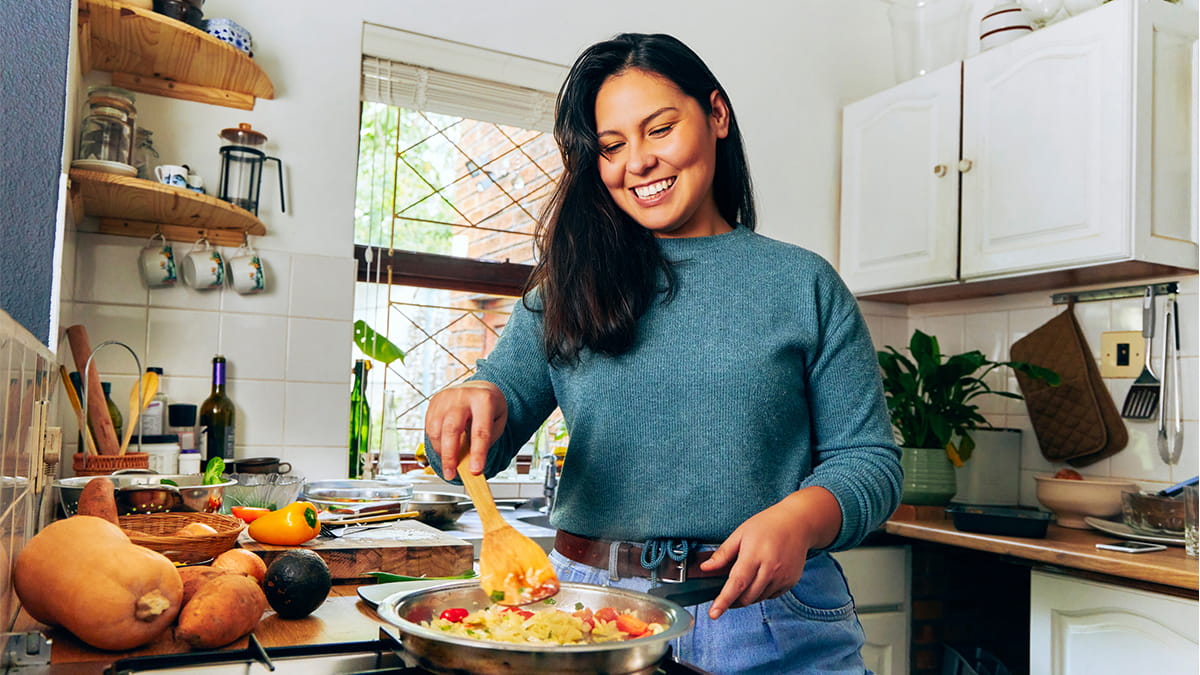
We asked six HBF mums what their go-to mum-meal looks like, the snack or easy meal that appears weekly and always hits the spot. What will our dietitian have to say? Perri adds the wins and where there’s room for added (easy) nutrition. Cheese is allowed so keep reading Mamas.
When life is busy, convenience often wins and that's not necessarily a bad thing. The good news is that healthy eating doesn't have to mean complicated recipes, expensive ingredients or hours in the kitchen. Sometimes small tweaks to the meals you're already eating can help boost your intake of protein, fibre and key nutrients.
Six HBF Mum-meals and how you can make them even healthier at home
Over to our (rather marvelous) mums and our clever dietitian, Perri to share some easy add-ons to six relatable and reliable meals. As a dietitian, Perri looks for simple ways to include the five core food groups, maximise the nutritional value, and add more variety without making meals harder to prepare.
Monique, Mum to Finn and Ollie
Mum-meal: Stacked corn thins
Simply corn thins, good quality hummus (preferably made using olive oil) stacked slices of cucumber, salt, pepper, and sprinkle of chilli.
Perri’s nutritional notes:
This is a great example of a simple and nutritious snack or a light meal!
Hummus provides plant-based protein and fibre, helping to make this snack more satisfying. For extra nutritional value with minimal effort, you could add some tinned fish such as salmon or tuna for a budget-friendly way to up the protein and heart-healthy fats. If you'd prefer to keep it plant-based, a sprinkle of seeds can add fibre, healthy fats and extra nutrients. In addition to the sliced cucumber, adding any other salad vegetables you already have in the fridge can add colour and increase the variety of nutrients in this snack. Corn Thin varieties can vary in their dietary fibre and sodium content depending on the brand and product. To choose a higher-fibre and lower-sodium option, compare the per 100 g column on the nutrition information panel.
Emma, Mum to Billy and Pat
Mum-meal: Everything fried rice
Take some leftover rice from the day before, grate up some veg (grating broccoli in is a good hack) and then I grab a cup and crack in two eggs, some soy and sesame oil and whisk, add that in at the end and keep mixing.
Perri’s nutritional notes:
This is a fantastic way to use leftovers and reduce food waste while creating a balanced meal. The combination of rice, eggs and vegetables provides a great nutritional foundation, and grating vegetables into the dish is a clever way to increase vegetable intake. Using rice from the day before has the added benefit of providing resistant starch, which forms as rice cools. Resistant starch can support gut health and may help lower the overall glycaemic index (GI) of the meal, which may help you feel fuller for longer. If you have any leftover meat, chicken or tofu in the fridge, it can be easily added to increase the protein content of this dish. On particularly busy days, frozen vegetables can be a great time-saving alternative, making it easy to add extra nutrients without any chopping or grating required. If you tend to be generous with the soy sauce, consider a reduced-salt variety to help reduce the sodium content of the meal.
Kitty, Mum to Violet
Mum-meal: Cheese and pickled things snack plate
Basically it’s whatever pickled snacky bits I have in the fridge with cheese, my choice is cheddar, pickled red onions, cucumber slices (pickled overnight in red wine vinegar), cornichons from jar, pepperoncini from jar, and either some seedy crackers or buttered sourdough bread.
Perri’s nutritional notes:
What a colourful snack plate!
It's great to see some cheese from the dairy food group alongside plenty of flavour from the pickled vegetables. To boost the fibre content, consider choosing wholegrain crackers or grainy/wholemeal sourdough where available. A handful of nuts can also be an easy way to increase fibre, healthy fats and protein. As some pickled foods can be higher in sodium, choosing lower-salt varieties where possible and balancing them with fresh produce can help create a more balanced snack.
Mel, Mum to Josie and Oscar
Mum-meal: Chicken, cheese & salad wrap
Often leftover hot roast chook, cheese, spinach, tomato and mayo on a wholemeal (or GF for me) wrap. So easy to have a pack of wraps in the fridge and you can fill them with anything. Sometimes I make an omelette to go in there for protein if I don’t have meat!
Perri’s nutritional notes:
This wrap shows how convenient, ready-to-go ingredients can come together to create a nutritious meal in minutes. With a wholemeal wrap, chicken, cheese and salad, it includes four of the five core food groups from the Australian Dietary Guidelines: grains, lean meats and alternatives, dairy, and vegetables. This wrap already combines protein, vegetables and wholegrains in a convenient, family-friendly meal. To make the most of the Healthy Plate model, be generous with the salad filling and aim for vegetables to make up around half of the wrap. The more colourful and varied the vegetables, the greater the variety of nutrients you're likely to get, helping to create a balanced lunch or dinner winner.
Megan, Mum to Oscar and Lochie
Mum-meal: The lazy mum's version of a panzanella salad
I chop focaccia into cubes, cut cherry tomatoes in half, throw both into a pan with olive oil and salt, fry it until the tomatoes are cooked and the bread has a toasted edge, pop it in a bowl with burrata, thinly sliced red onion, torn basil leaves, lots of olive oil, salt and pepper and voila.
Perri’s nutritional notes:
This is a great example of how a few quality ingredients can come together to create a satisfying meal. The combination of tomatoes, basil, olive oil and burrata provides plenty of flavour with little effort. If possible, choose extra virgin olive oil (EVOO), as it retains more of the naturally occurring antioxidants and beneficial plant compounds found in olives, which have been associated with anti-inflammatory and heart health benefits. Using a wholemeal or wholegrain bread where available can also help increase the fibre content of the meal. To create a more balanced plate, try increasing the proportion of vegetables by adding extras such as cucumber and red onion, or serving the salad on a bed of mixed leaves. This is an easy way to add more fibre, vitamins and minerals while keeping the preparation just as simple.
Rhiannon, Mum to Lola and Sunnie
Mum-meal: Easy omelette
This is probably more like a frittata with all the ingredients I put in (eggs, spinach, cheese, ham, onion, garlic, corn and capsicum) whatever is in the fridge, really.
Perri’s healthy twist:
This is a great example of a meal that is both nutritious and easy to prepare, making it suitable for any time of the day. The mix of vegetables provides a variety of vitamins, minerals and fibre, with different coloured vegetables contributing different nutrients. Its versatility means it can be adapted to whatever ingredients you have on hand, helping to reduce food waste while keeping meals interesting. If using ham regularly, consider choosing a reduced-salt variety where available to help reduce the sodium content of the dish. The filling can also be varied with other protein-rich ingredients such as leftover chicken, tinned salmon, tuna, tofu or legumes, depending on what you have available. If you'd like to include a serve from the grain food group, pairing it with a slice of wholegrain toast can add extra fibre and help round out the meal.
Amie, Mum to Willow and Blake
Mum-meal: Avo and egg on toast (or anything on toast really, beans are also a favourite) I like to poach my eggs and add dukkha if I have on hand (also a nice one to make and have on hand).
Perri’s nutritional notes:
This classic combines convenience, flavour and good nutrition in one simple meal. Eggs provide high-quality protein, while avocado contributes healthy unsaturated fats and fibre to help keep you satisfied. Beans are another great topping option, providing plant-based protein and soluble fibre, which can support gut and heart health. Choosing a grainy or wholemeal bread can further increase the fibre content of the meal. The addition of dukkah is a great way to add extra flavour, texture and nutrients from nuts and seeds with minimal effort. To make this meal even more nutritionally complete, consider adding some tomato, mushrooms, spinach or other vegetables you have on hand to help increase your vegetable intake for the day.
Healthy eating doesn't have to be complicated or perfect. As these examples show, simple ingredients and a little flexibility can go a long way on busy days. The foods above are budget-friendly, versatile and packed with valuable nutrients, making them great options to have on hand.
Rather than aiming for the "perfect" meal every time, focus on including foods from the five core food groups wherever possible: vegetables and legumes/beans, fruit, grain (cereal) foods, lean meats and alternatives, and dairy and alternatives. If you're building meals around these foods most of the time, you're already on the right track.
“It's also important to remember that healthy eating is about the overall pattern of choices across the day and week, not what happens at a single meal or snack. Variety is key, with different foods providing different nutrients. Small, realistic choices that fit your lifestyle are often the most sustainable, and those small steps can add up to make a meaningful difference to your health over time.” Perri, dietitian and health coach.

Sources:
1 Nature:Next Health and Wellness Report 2026
This article contains general information only and does not take into account the health, personal situation or needs of any person. In conjunction with your GP or treating health care professional, please consider whether the information is suitable for you and your personal circumstances.