Blog article
Just diagnosed with a chronic health condition? 5 things that can help

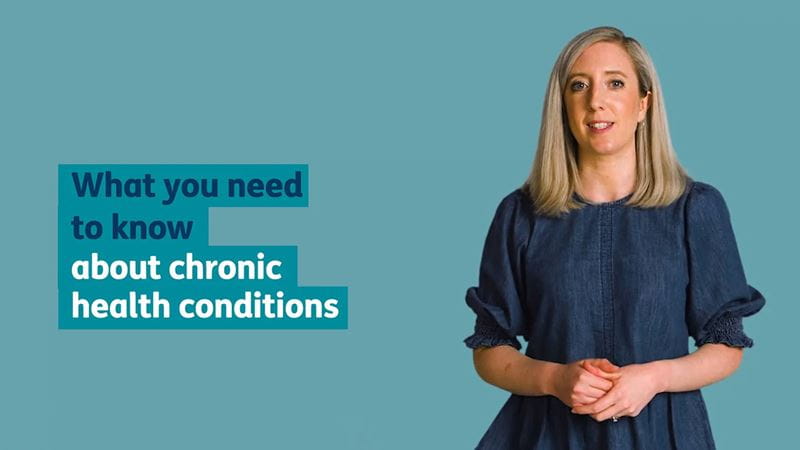
The good news is you don't need to figure everything out today. Taking things one step at a time, asking questions and finding the right support network can help you feel more confident about managing your wellbeing. We spoke with Phaedra and Dr Andy from the HBF health programs team for some extra support when it comes to dealing with a diagnosis.
What is a chronic health condition?
A chronic health condition is a condition that lasts, or is expected to last, for six months or more. While chronic conditions may need ongoing care or management, the right treatment, information and support can help you manage your health and wellbeing.
Let’s delve into 5 things that can help when it comes to chronic health management in the early days of diagnosis and beyond:
1. Give yourself time to process your diagnosis
You might feel worried about the future, relieved to finally have an answer, overwhelmed by information, or a mix of everything. Deep breath. All feelings are valid, and it’s time to give yourself time.
Rather than feeling like you need to become an expert overnight, give yourself permission to take things one step at a time. Focus first on understanding the information that's most important for you right now and leave the rest for a new day.
A breathing exercise to carry in your back pocket, and carry you through overwhelm
2. Understand what your diagnosis actually means for you
Medical terminology, test results and new treatment plans can make a fresh diagnosis feel even more complicated.
So, let’s start with the basics:
- What is the condition?
- How might it affect you (your current lifestyle and future plans)?
- What treatment or management does your healthcare team recommend?
- Are there things you need to do now, and things that can wait?
“A lot of people I see in the COACH Program are seeking a cause before anything, or something to blame. My first piece of advice is, you’re going to be inundated with information, so finding credible resources that apply to your condition is vital. Set up a chat with your GP, ask the questions, and look at what can be changed rather than the cause.”
Phaedra, HBF Cardiac Nurse for the COACH Program
“Focus on the things you can actually control. Make sure you’re taking your medications, get in more fresh veggies, increase your steps gradually – things that are easily achievable and make a meaningful impact.”
Dr Andy, Chief Medical Officer
Don't be afraid to ask your GP or specialist to explain something more than once or put it in simpler language. Understanding your condition before you get started with treatment can help you feel more involved in decisions about your care.
Are you health-savvy? You will be after reading this.
3. Write down your questions
If you've ever walked out of an appointment and immediately remembered the question you meant to ask, you're definitely not alone.
Keeping a running list of questions on your phone can make appointments more useful. Depending on your diagnosis, you might ask:
- What should I focus on first?
- What symptoms or changes should I look out for?
- Will I need regular tests or check-ups?
- Are there lifestyle changes that could help?
- Who else might be involved in my healthcare team?
- Where can I find reliable information about my condition?
- What should I do if I'm struggling to manage it?
You may also find it helpful to bring someone you trust (or a good note-taker) to an appointment, particularly when there's a lot of information to take in.
4. Build your healthcare team
Managing a chronic condition often isn't the job of one person. Your support network might include your GP and specialist alongside health professionals such as a dietitian, physiotherapist, exercise physiologist, pharmacist or other allied health professionals, depending on your individual needs.
Having the right people around you can also make it easier to join the dots between different parts of your care, rather than feeling like you're navigating everything alone.
5. Find out what extra support is available
Remember, you don't have to manage a chronic condition alone. If you're eligible, HBF's COACH Program can connect you with a qualified health coach. The program is evidence-based on current clinical guidelines. The coach will work with you to help you better understand your diagnosis, relevant test results and what recommendations apply to your individual situation.
Your health coach can also help you better prepare for appointments with your care team to ensure you are getting the most out of those appointments.
A chronic health diagnosis can change things, but it doesn't mean everything has to change at once. Start with what you need to know today, keep asking questions and lean on the people and services that are there to support you.
Small steps towards understanding and managing your condition can help you feel more confident about what comes next.

This article contains general information only and does not take into account the health, personal situation or needs of any person. In conjunction with your GP or treating health care professional, please consider whether the information is suitable for you and your personal circumstances.